

The DNSH Principle: From the NRRP to the Social Climate Fund

In Perugia, Avv. Andrea Farì took part in the roundtable dedicated to the evolution of the DNSH principle, analysing its application from the EU Taxonomy Regulation to the NRRP and the most recent climate-related policies.
Agrivoltaics: National Criteria and Recent Case Law Developments
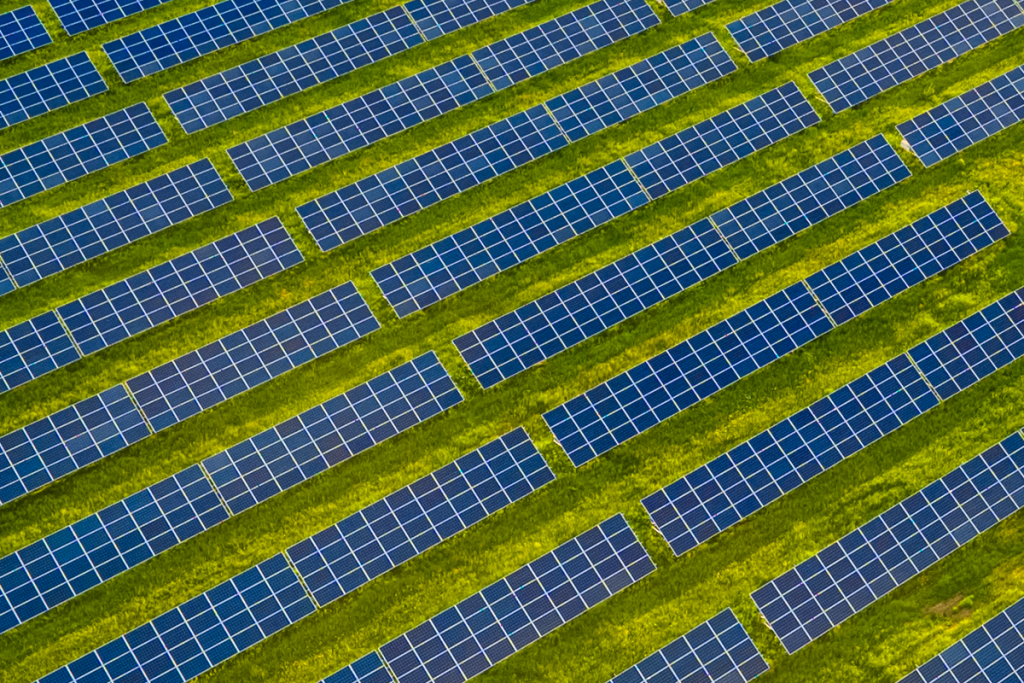
At the Milan Bar Association, Avv. Omar Hagi Kassim examined national criteria for identifying suitable areas for renewable energy plants, focusing on TAR Lazio decisions and their impact on agrivoltaic development.
Environmental Access Rights: Stronger Judicial Protection for Transparency

Two recent judgments by the Regional Administrative Courts of Piedmont and Marche confirm a growing judicial trend in favour of full public access to environmental data. Confidentiality and trade secrets cannot override the citizen’s right to know the impact of industrial activities on the environment.
Urban Regeneration and Remediation: Perspectives from Ecomondo 2025
During the Sole 24 Ore Talks at Ecomondo, experts discussed urban regeneration, remediation and sustainable redevelopment. The session was coordinated by Avv. Roettgen, with a contribution by Avv. Farì, in a multidisciplinary dialogue between professionals from public and private sectors.
Ecomondo 2025: The Future of CSS Between Innovation and Sustainability
At Ecomondo 2025, Avv. David Roettgen analysed the regulatory evolution of Solid Recovered Fuel (CSS) and its future role in industrial processes. The speech highlighted opportunities for circular economy models and the contribution of new technologies.
Ecomondo 2025: The Future of the EU Batteries Regulation and Italy’s Readiness
At Ecomondo 2025, during a session hosted at the Erion stand, Avv. Andrea Farì examined the new EU regulatory framework on batteries and its economic, geopolitical and environmental implications for Italy. The presentation explored how the country can build a competitive and circular battery industry.
New Batteries Decree: EU Transposition and Comprehensive National Reform

The Government has approved the draft legislative decree transposing Directive (EU) 2023/1542 and overhauling the national framework governing the entire life cycle of batteries. The reform introduces new rules on responsibility, traceability, EPR schemes, CAM requirements and establishes the national Battery Producers Register.
EU Directive 2025/1892: New Obligations on Food and Textile Waste

On 26 September 2025, Directive (EU) 2025/1892 was published in the Official Journal of the European Union. The new Directive amends Directive 2008/98/EC on waste, introducing binding targets for food waste reduction and new extended producer responsibility (EPR) schemes for textile products.
“Terra dei Fuochi” Decree: Stricter Sanctions for Waste Abandonment
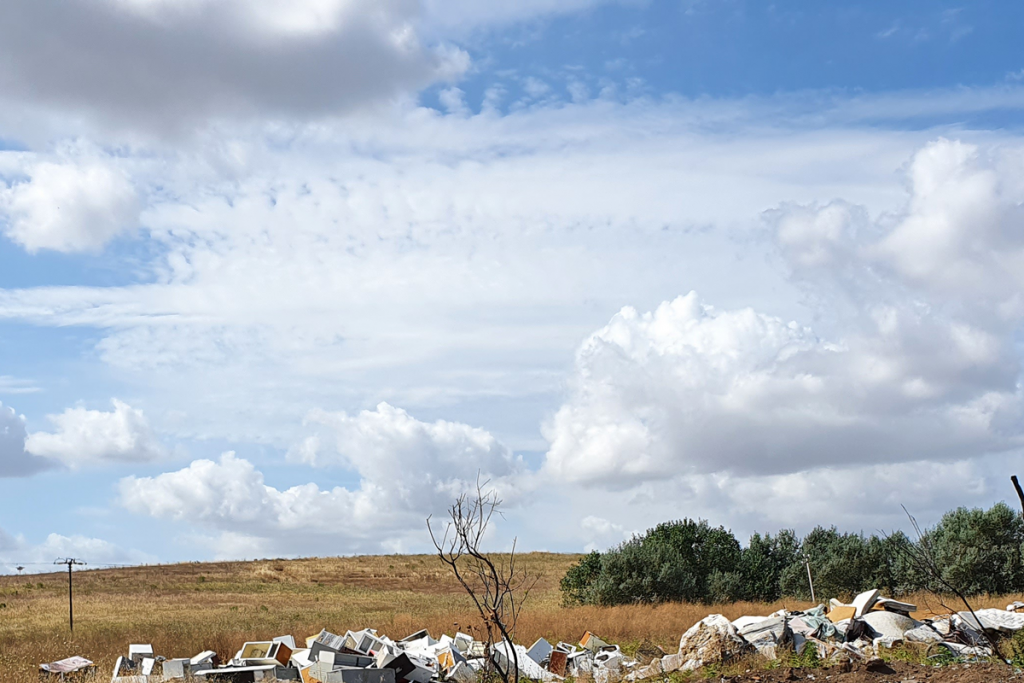
Law Decree No. 116/2025, published in the Official Gazette on 8 August and in force since 9 August, introduces amendments to Part IV of Legislative Decree No. 152/2006. The text strengthens sanctions against waste abandonment, especially in cases of systematic and organised conduct, and enhances the role of public authorities in enforcement.
GreenMed Symposium 2025: Extended Producer Responsibility, Green Public Procurement and Energy Communities

AmbientaLex took part in the GreenMed Symposium 2025 in Naples, contributing to several panels on waste management, extended producer responsibility (EPR), sustainable procurement and renewable energy communities.

